
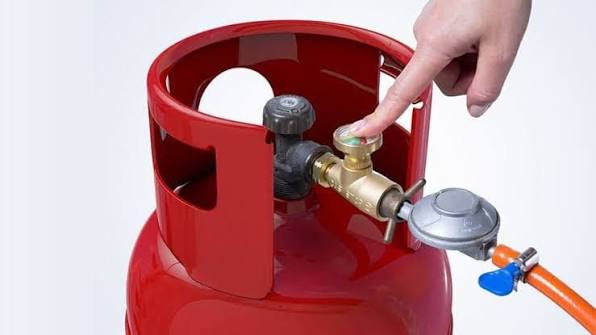
A gas cylinder is filled to very high pressure. Nothing you use, whether a welding torch, a hospital flow meter or a laboratory instrument, is designed to take that pressure directly. The part that sits between the two is the regulator, and getting it wrong is one of the most common causes of poor results, wasted gas and accidents.
This guide explains what a regulator does, the main types, how to match one to your gas and application, how to fit it safely and how to look after it. It is written for workshop owners, welders, clinic managers, lab technicians and anyone who buys cylinders from a supplier like OxyPlus.
Quick answer: Always use a regulator made for the specific gas, with an inlet pressure rating at or above the cylinder’s fill pressure and an outlet range that suits your job. Never force a connection, never use oil or grease on oxygen equipment and always leak-test after fitting.
What does a gas regulator do?
A regulator does two jobs. First, it reduces the high pressure in the cylinder to a lower, usable working pressure. Second, it keeps that outlet pressure steady as the cylinder empties, so your flame, flow or process stays consistent from the first minute to the last.
Most regulators show two gauges. The inlet (cylinder) gauge shows how much gas is left. The outlet (delivery) gauge shows the pressure you are sending to your equipment. A flow-type regulator may show litres per minute instead.
Main types of regulators
| Type | How it works | Typical use |
| Single-stage | Reduces pressure in one step. Outlet pressure can creep up slightly as the cylinder empties. | General workshop use, short jobs, where small changes in pressure are acceptable. |
| Two-stage | Reduces pressure in two steps for a steadier outlet pressure from full cylinder to nearly empty. | Laboratories, precision welding, long jobs and any process where stable pressure matters. |
| Flowmeter regulator | Controls and displays flow in litres per minute. | Medical oxygen delivery and applications where flow rate matters more than pressure. |
| Gas-specific regulators | Built with materials and connections for one gas, for example oxygen, acetylene, CO₂ or nitrogen. | Welding and cutting, beverage dispensing, laboratory and industrial processes. |
How to choose the right regulator
1. Match it to the gas
Regulators are not interchangeable between gases. Oxygen regulators must be built and cleaned for oxygen service. Acetylene and other fuel gases use different connections and pressure limits. CO₂ and nitrogen regulators are designed for their own pressure and flow behaviour. If you are unsure about the gas you need for your work, read our guide to oxygen vs nitrogen vs argon first.
2. Check the inlet pressure rating
The regulator’s inlet rating must be at least as high as the cylinder’s fill pressure. A regulator with too low a rating is dangerous and should never be used.
3. Choose the right outlet range
Pick a regulator whose outlet range covers your working pressure comfortably, not at the extreme end. A very high-range regulator makes fine adjustment difficult at low pressures, while a low-range one cannot deliver what you need.
4. Check the connection type
Cylinder valve outlets and regulator inlets must match. If a fitting does not thread on easily, stop. Do not use adapters or tape to make it fit, because that defeats a safety feature of the design.
5. Consider the environment
Dusty workshops, humid sites and outdoor jobs are tough on regulators. Look for sturdy gauges and good build quality, and keep spare gauges and seals if the regulator is used daily.
6. Think about accessories
For welding and cutting, regulators are used with hoses, torches and flashback protection. Browse our welding accessories so that the whole setup matches. Our regulators range and the wider accessories and tools section show what we stock.
Regulators for specific uses
Welding and cutting
Consistent pressure affects weld quality, spatter and gas consumption. Using the right shielding or fuel gas with a suitable regulator makes a visible difference, as we explain in why using the wrong welding gas costs more than you think. For two-stage control on long welding jobs, ask us which regulator suits your gas and process.
Medical oxygen
Clinics and care providers need accurate, reliable flow. Only use regulators and flowmeters designed for medical use, and keep them clean and dry. Quality of the gas matters too. Our article on why gas purity matters explains how contamination affects patients and equipment, and you can see our medical gases range.
Food and beverage
Bars, bottlers and food processors using CO₂ or nitrogen need regulators that keep pressure steady and are built for food-contact applications. See our food grade gases and our guide on how CO₂ and nitrogen keep food and drinks fresh.
Industrial and laboratory work
Labs and factories often need stable outlet pressure for instruments and processes. A two-stage regulator is usually the better choice. Our industrial gases page lists what we supply.
How to fit a regulator safely, step by step
- Secure the cylinder upright, chained or strapped. Our guide to gas cylinder storage explains how.
- Inspect the cylinder valve outlet and the regulator inlet. Look for dirt, damage, damaged threads and worn seals. Never use a regulator with a cracked gauge or damaged body.
- Check that the pressure-adjusting knob is fully released (turned out until it spins freely) so the regulator is closed.
- Stand to the side, away from the gauges, and briefly crack the cylinder valve to blow out any dust, then close it. Do this only where it is safe for the gas concerned and never with flammable gases near ignition sources.
- Connect the regulator by hand first, then tighten with the correct spanner. Do not over-tighten.
- Open the cylinder valve slowly and watch the inlet gauge.
- Set the outlet pressure by turning the adjusting knob gradually until the outlet gauge shows the pressure you need.
- Leak-test all joints with an approved leak-detection solution or soapy water. Bubbles mean a leak. Close the valve and fix it before use.
At the end of the job, close the cylinder valve, release the remaining pressure from the line, then back off the adjusting knob.
Safety rules you should never break
- No oil or grease on oxygen equipment. Oxygen and oil can ignite violently. Keep hands, gloves and tools clean.
- Never use a regulator for a different gas than the one it was made for.
- Never use adapters or force threads to make a regulator fit.
- Open valves slowly. A sudden surge can damage the regulator and gauges.
- Do not stand in front of the gauge face when opening the valve.
- Never use damaged hoses or regulators. Replace, do not patch.
- Keep flammable gases away from ignition sources and ensure good ventilation.
Cylinders and regulators also need care in transit. Read our guide on how to transport gas cylinders safely.
Looking after your regulator
- Store regulators clean, dry and capped, away from dust and moisture.
- Release the pressure and back off the knob after each use.
- Check gauges regularly. A needle that does not return to zero, or a cracked glass, needs attention.
- Inspect seals, O-rings and threads for wear.
- Watch for creep: if outlet pressure keeps rising with the knob closed, the regulator is faulty.
- Have regulators serviced or replaced if they are old, damaged or heavily used, according to the manufacturer’s guidance.
- Never attempt DIY repairs on regulators.
Signs your regulator needs replacing
- Gas leaks that cannot be fixed by tightening or replacing seals.
- Pressure that creeps up, drops or fluctuates while in use.
- Gauges that are cracked, stuck or inaccurate.
- Damaged threads, bent knobs or a corroded body.
- A hissing sound from the regulator when the knob is closed.
- Unusual gas consumption that cannot be explained by your work.
Regulators and getting the right gas
A good regulator cannot fix poor-quality gas or a short-filled cylinder. When you refill, make sure the cylinder is full, the valve is intact and the gas is genuine. Our checklist on how to tell if you are getting a full, genuine gas refill in Uganda will help you do that.
Frequently asked questions
Can I use the same regulator for different gases?
No. Regulators are built for specific gases, with the right materials, connections and pressure ratings. Using the wrong one can cause leaks, contamination or fire.
What is the difference between single-stage and two-stage regulators?
A single-stage regulator reduces pressure in one step and can show a slight rise in outlet pressure as the cylinder empties. A two-stage regulator reduces it in two steps for steadier pressure, which suits precision work and long jobs.
Why does my regulator hiss?
Hissing usually means a leak at a seal, thread or connection, or an internal fault. Close the cylinder valve, release pressure safely and check for leaks. If it persists, replace the regulator.
Do I need a flashback arrestor?
For fuel gases used with oxygen in welding and cutting, flashback protection is a widely recommended safety device. Ask your supplier what suits your setup.
How do I know how much gas is left?
On a standard regulator, the inlet (cylinder) gauge shows the cylinder pressure. As pressure falls, the gas is being used. Some gases, such as liquefied gases, are better measured by weight, so ask your supplier for guidance.
Need help choosing a regulator?
OxyPlus Services Ltd supplies regulators, welding accessories and a full range of industrial, medical, food grade and refrigerant gases to businesses across Uganda. Tell us what gas and application you work with and we will help you match the right equipment. Contact us on 074 455 5510 or 020 099 5510, email Info@oxyplus.co.ug or visit us on Jinja Road, Kireka, Kampala. You can also view our certifications to see the standards we work to.