
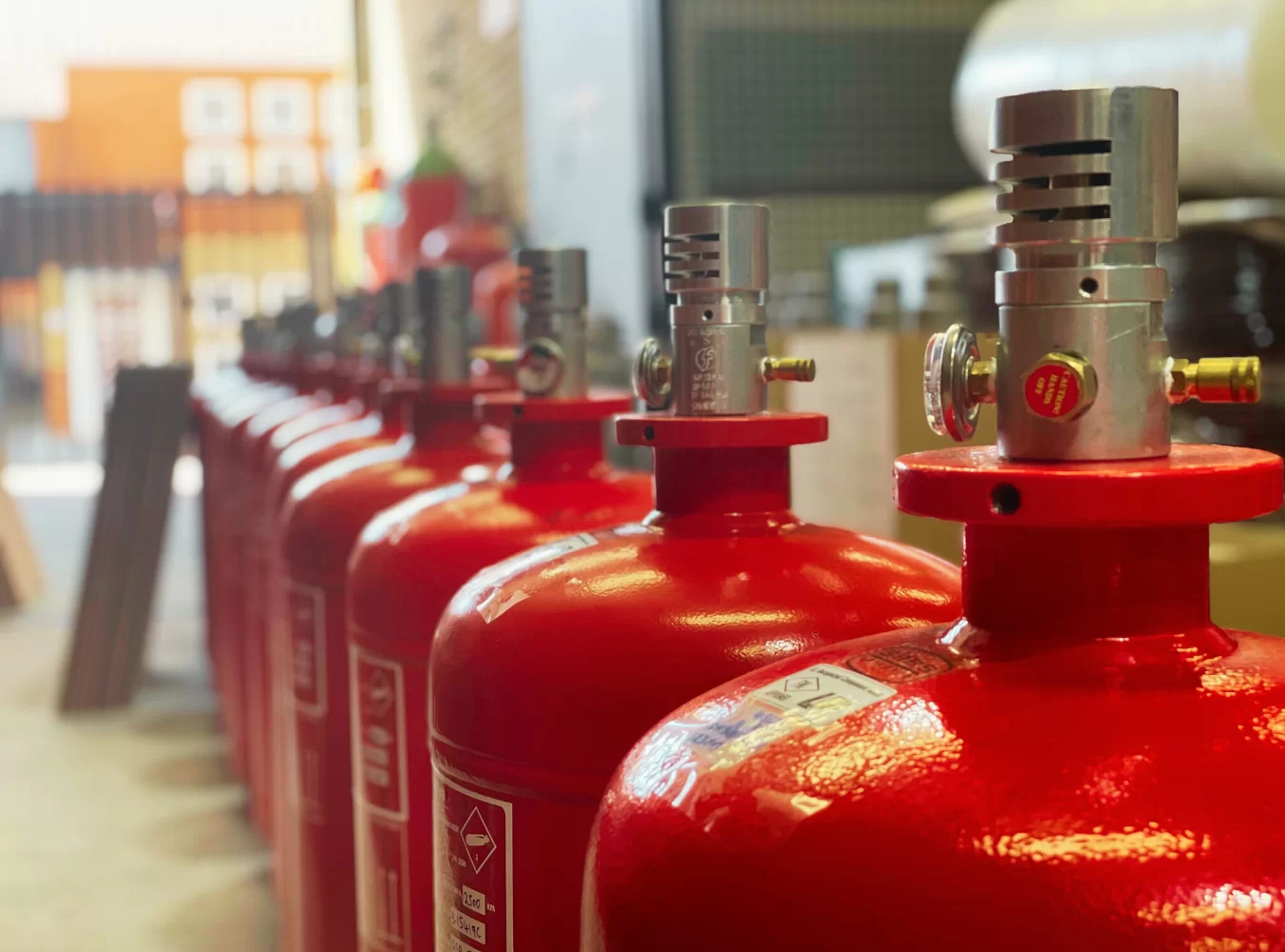
If a gas cylinder seems to run out faster than it should, it’s easy to assume the cylinder is faulty or that your usage has gone up. Sometimes that’s true. But a genuinely common cause in Uganda’s informal refill market is simpler: the cylinder wasn’t fully filled in the first place, or it was swapped for one in worse condition than the one you handed over. This isn’t always deliberate — some smaller outlets simply don’t weigh or test cylinders properly — but the effect on your costs and safety is the same either way.
1. Check the Tare Weight Before You Judge the Fill
Every cylinder has its empty weight — called the tare weight or ‘TW’ — stamped near the valve, usually in kilograms. This is the baseline every refill should be measured against. To check a fill, you need the tare weight, the filled weight (ask your supplier to weigh it in front of you), and the gas capacity for that cylinder size. If the difference between filled and tare weight is noticeably less than the rated gas capacity, you’ve been short-filled, regardless of how full the cylinder looks or feels.
2. Don’t Judge a Fill by Shaking or Lifting Alone
Many people try to estimate how full a cylinder is by lifting it or shaking it to listen for liquid movement. This works roughly for LPG but is unreliable for compressed gases like oxygen, nitrogen, or CO2, where the gas doesn’t slosh the way a liquid does. For these gases, pressure and weight readings from a supplier’s scale and gauge are the only reliable check — a cylinder can feel identical whether it’s 60% or 95% full.
3. Watch for Cylinder Swaps, Not Just Short Fills
A less obvious issue is a straight swap: you hand over a cylinder in good condition and receive one back that’s older, more corroded, or has a valve in worse shape — sometimes even a different brand entirely. This matters because cylinder condition affects both safety and how long the gas inside will last without leaking. Where possible, note any distinguishing marks, serial numbers, or paint condition on your cylinder before sending it for a refill, especially if you’re using a courier or third party rather than doing the exchange yourself.
4. Ask About the Cylinder’s Test Date, Not Just the Refill
Cylinders are required to undergo periodic pressure testing (often referred to as re-testing or requalification) to confirm they’re still safe to fill, typically every few years depending on the gas and cylinder type. A reliable supplier can tell you when a cylinder was last tested, usually stamped near the valve alongside the tare weight. A cylinder that’s overdue for testing shouldn’t be refilled at all, regardless of how full the fill appears — this is as much a safety question as a value one.
5. Reliable Suppliers Make Verification Easy, Not Awkward
One of the clearest signs of a trustworthy gas supplier is that they don’t mind you asking to see the cylinder weighed, checking the tare weight together, or asking about the last test date. A supplier who is reluctant to let you verify a fill, or who discourages questions about weight and testing, is worth being cautious about — especially for gases where quality and correct filling directly affect safety, like medical oxygen or gases used in food and beverage production.
A Quick Checklist Before You Accept a Refill
- Confirm the tare weight (TW) stamped on the cylinder before assuming a fill level.
- Ask to see the cylinder weighed on a calibrated scale, not just estimated by feel.
- Check the last pressure test date stamped near the valve.
- Note any serial numbers or identifying marks if you’re not present for the exchange yourself.
- Choose suppliers who are transparent about weight and testing, not defensive about being asked.
- Keep a simple log of fill dates and weights if you refill regularly, so you can spot inconsistencies over time.
Refilling With Confidence
The easiest way to avoid short-fills and cylinder swaps altogether is to work with a supplier who weighs and documents every refill as standard practice. Oxyplus Services Ltd supplies and refills industrial, medical, and food-grade gas cylinders across Uganda, with every cylinder weighed and checked before it goes back out. If you’re not sure whether your current refills are genuine, bring your next cylinder in and we’ll walk you through the weight and test date together.
Frequently Asked Questions
Q: What is the tare weight of a gas cylinder, and where do I find it?
A: The tare weight is the empty weight of the cylinder, usually stamped in kilograms near the valve along with other cylinder markings like the test date. It’s the number a filled cylinder’s weight should be measured against to check whether it’s genuinely full.
Q: Can I tell if an LPG cylinder is full just by shaking it?
A: Shaking can give a rough indication for LPG because it’s a liquid inside the cylinder, but it’s not precise. For compressed gases like oxygen or nitrogen, shaking tells you nothing useful, and weighing is the only reliable method.
Q: Why does the cylinder’s test date matter to me as a customer?
A: A cylinder overdue for its periodic pressure test may not be safe to refill, regardless of how full the supplier fills it. Checking the test date protects your safety, not just the value of the fill.
Q: Is it normal for a refilled cylinder to look different from the one I handed in?
A: It can happen with pooled cylinder exchange systems, but if you’re concerned about condition or authenticity, ask your supplier about their exchange process and consider noting identifying marks on your own cylinder beforehand.
Q: What should I do if I suspect I’ve been short-filled?
A: Ask the supplier to reweigh the cylinder in front of you and compare it against the stamped tare weight and the expected gas capacity for that cylinder size. A reputable supplier will do this without hesitation.