
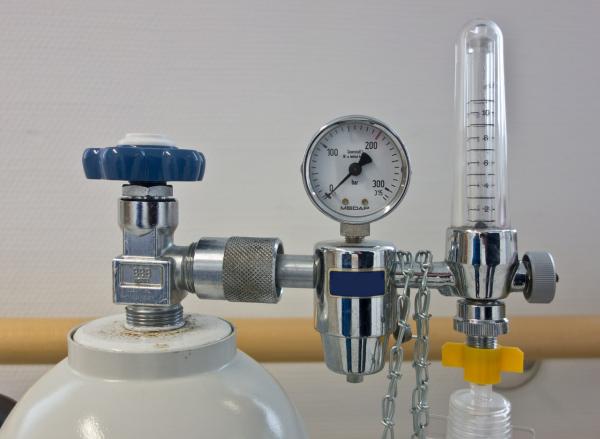
Gases are everywhere — yet invisible. Oxygen keeps patients alive in ICUs. Nitrogen blankets packaged food so it stays fresh longer. Carbon dioxide carbonates beverages and chills perishables during transport. Argon shields precision welds. Acetylene cuts through thick steel.
In Uganda’s rapidly industrialising economy, the demand for high-purity industrial gases and medical gases has never been greater. Yet for many businesses, the question is not just where to buy gas — it is whom to trust. Because when gas purity fails, the consequences go far beyond operational downtime.
💡 Key Insight: A 99.5% pure medical oxygen and a 95% pure cylinder may sound similar, but that 4.5% gap can be the difference between a patient recovering smoothly and a dangerous adverse event in a clinical setting.
What “Gas Purity” Actually Means
Gas purity refers to the percentage of the target gas present in a cylinder, with the remainder being impurities such as moisture, hydrocarbons, particulates, or other gases. Industry standards classify gases by grade:
- Industrial Grade — typically 99.5% pure; suitable for welding, cutting, and manufacturing.
- Food Grade — must meet strict limits on moisture, oil, and microbial contamination.
- Medical Grade — regulated to pharmacopoeial standards (usually 99.5%+ with tightly controlled moisture and CO content); used in clinical, surgical, and emergency care.
- Speciality / High-Purity Grade — 99.999%+ (“five nines”); required in laboratories, calibration, and electronics.
Using the wrong grade is not just a waste of money — it is a liability. Food processors risk spoilage and regulatory action. Hospitals risk patient harm. Welders risk weld failure and structural compromise.
The 5 Gas Types Every Ugandan Business Should Know
1. Oxygen (O₂)
Used in: Hospitals, steel cutting, water treatment, aquaculture.
Oxygen is the most widely consumed industrial gas in Uganda. Medical oxygen is life-critical — it supports patients with respiratory conditions, anaesthesia delivery, and emergency resuscitation. Industrial oxygen accelerates combustion in cutting torches and boosts efficiency in furnaces.
2. Nitrogen (N₂)
Used in: Food packaging, pharmaceutical manufacturing, cryogenic freezing, laser cutting.
Nitrogen is the world’s most produced industrial gas. Its inert nature makes it perfect for blanketing oxygen-sensitive products — from packaged nuts and crisps to pharmaceutical tablets. Liquid nitrogen enables ultra-cold storage and cryosurgery.
3. Carbon Dioxide (CO₂)
Used in: Beverage carbonation, dry ice production, greenhouses, fire suppression.
Food-grade CO₂ is what makes your soda fizzy, your beer crisp, and your bottled water refreshing. Industrial CO₂ is used in welding (mixed with argon for MIG welding) and in greenhouses to accelerate plant growth. Solid CO₂ — dry ice — is essential for cold-chain logistics across Uganda.
4. Argon (Ar)
Used in: TIG and MIG welding, stainless steel fabrication, electronics.
Argon is the gold standard shielding gas for high-quality welds. It prevents oxidation and porosity in the weld pool, producing cleaner, stronger joints. Any fabricator working on food-grade stainless steel or structural steel should insist on pure argon or certified argon blends.
5. Refrigerant Gases
Used in: Commercial refrigeration, air conditioning, cold storage.
Refrigerant gases like R-410A and R-134a keep Uganda’s cold chain intact — from supermarket chillers and pharmaceutical cold rooms to hotel HVAC systems. Using the correct certified refrigerant is essential both for system efficiency and compliance with environmental regulations.
Why Supply Chain Reliability Is Non-Negotiable
In a busy hospital, running out of medical oxygen is not an inconvenience — it is an emergency. In a beverage plant, a CO₂ shortage halts the entire production line. In a welding workshop, waiting on gas cylinders means missed deadlines and unhappy clients.
This is why sourcing from a manufacturer and distributor — not just a reseller — matters enormously. A manufacturer controls quality from production to delivery. Lead times are shorter. Cylinder availability is higher. And when you need urgent replenishment, you call the people who actually produce the gas.
✅ Oxyplus Advantage: Oxyplus Services Ltd is a manufacturer of oxygen, nitrogen, and carbon dioxide in Uganda — not just a distributor. This means tighter quality control, faster turnaround, and supply continuity that third-party resellers simply cannot match.
How to Choose the Right Gas Supplier in Uganda
Here is a practical checklist before you sign any gas supply agreement:
- Certifications: Does the supplier hold ISO 9001 certification, UNBS accreditation, and approvals from the Petroleum Authority of Uganda? These are not optional — they are proof of compliance.
- Manufacturing Capability: Can the supplier produce gas locally, or do they depend entirely on imports? Local production means faster restocking and no exposure to import delays.
- Cylinder Range: Do they offer the sizes you need — from small 2L medical cylinders to large industrial 50L bottles?
- Traceability: Can the supplier provide batch certificates and material safety data sheets (MSDS) for every delivery?
- After-Sales Support: Do they supply regulators, pressure gauges, and accessories? Can they train your team on safe gas handling?
- Safety Record: Are their cylinders regularly tested, colour-coded correctly, and valve-maintained?
Why Businesses Across Uganda Trust Oxyplus Services Ltd
Oxyplus Services Ltd has built its reputation on one principle: partnering with customers rather than simply selling to them. Based in Kampala on Jinja Road, Kireka, the company serves hospitals, manufacturers, welders, food processors, laboratories, and cold-chain operators across Uganda.
What sets Oxyplus apart:
- Manufacturer of Oxygen, Nitrogen & CO₂ — in-house production means superior quality control and supply reliability.
- Full Gas Portfolio — industrial, medical, food-grade, and refrigerant gases in multiple cylinder sizes.
- ISO 9001 Certified — internationally recognised quality management standard.
- UNBS & Petroleum Authority of Uganda Approved — fully compliant with Uganda’s regulatory framework.
- Uganda Manufacturers Association Member — committed to local industry development.
- Accessories & Tools — one-stop shop including regulators, welding accessories, and Cryoseal containers.
- Fire Safety Products — fire extinguishers, breathing apparatus, and related fire-safety equipment.
- Dry Ice — available in 3mm, 9mm, 10mm & 12mm pellets for cold-chain, industrial cleaning, and catering.
From a single hospital ward needing a medical oxygen cylinder, to a large manufacturing facility requiring bulk industrial gas supply contracts, Oxyplus has the scale, certification, and expertise to deliver.
Ready to Upgrade Your Gas Supply?
Whether you are a hospital procurement manager, a fabrication workshop owner, a food manufacturer, or a cold-storage facility operator — gas quality and supply reliability directly affect your operations, your costs, and your reputation.