
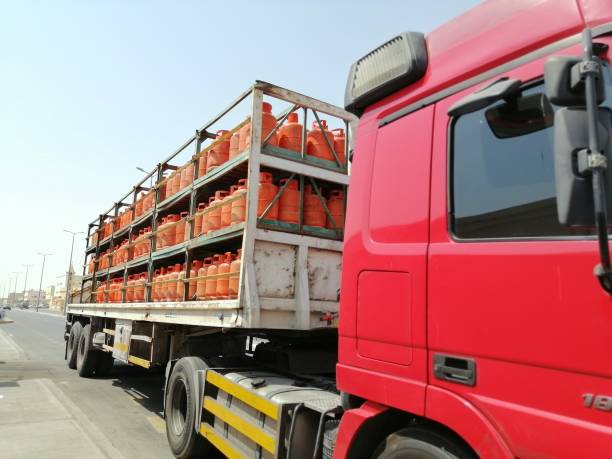
Gas cylinders are essential in many industries, from healthcare and welding to laboratories, food processing, and construction. Yet moving them from one place to another is one of the most overlooked safety risks. Every day, businesses transport cylinders between suppliers, worksites, hospitals, and storage areas. When done incorrectly, it can lead to leaks, fires, injuries, or costly equipment damage.
At Oxyplus Services Ltd , we understand that transporting gas cylinders is not just about moving equipment. It is about protecting people, property, and operations. In this guide, we walk through the real challenges businesses face and share practical steps we use to ensure cylinders are transported safely every time.
Why Safe Gas Cylinder Transportation Matters
Gas cylinders contain compressed gases stored under high pressure. Even a small mistake during transport can cause serious consequences. If a cylinder falls, the valve can break and turn the cylinder into a dangerous projectile. Exposure to heat can increase pressure inside the cylinder, while improper positioning can damage valves or regulators.
Many workplaces assume that moving a cylinder from one room to another or loading it into a vehicle is simple. In reality, safe transportation requires planning, proper handling, and the right equipment.
By following proper transport practices, we can prevent accidents, protect workers, and maintain the quality of the gas stored inside the cylinders.
Common Problems Businesses Face When Moving Gas Cylinders
Through years of experience working with industries across healthcare and manufacturing, we have seen several common issues.
Improper lifting methods
Workers often try to carry cylinders by hand or roll them across the floor. This increases the risk of dropping the cylinder or damaging the valve.
Unsecured cylinders in vehicles
Many transport vehicles do not have proper restraints. Cylinders can shift during travel, which may damage valves or cause leaks.
Exposure to heat or sunlight
Leaving cylinders in hot vehicles or direct sunlight can raise internal pressure and compromise safety.
Incorrect cylinder positioning
Cylinders transported horizontally without proper support can damage internal components or cause leaks.
Mixing different types of cylinders together
Transporting incompatible gases together can create dangerous situations in case of leaks.
These problems are avoidable with proper planning and the right handling procedures.
Step 1: Inspect Cylinders Before Transport
Before moving any gas cylinder, inspection is essential. Transporting a damaged cylinder increases the risk of leaks or failure during transit.
We always check for the following:
- Visible dents, cracks, or corrosion
- Valve damage or loose fittings
- Missing safety caps
- Expired inspection dates
- Gas leaks or unusual odors
If any damage is detected, the cylinder should not be transported until it has been inspected and cleared by professionals.
At Oxyplus, every cylinder we deliver or refill undergoes quality checks to ensure it meets safety standards.
Step 2: Always Use Valve Protection Caps
The valve is the most vulnerable part of a gas cylinder. If it breaks during transport, the sudden release of high pressure gas can cause severe accidents.
A valve protection cap helps shield the valve from impact. Before transporting any cylinder, we ensure the protective cap is securely installed.
Even when moving cylinders short distances inside a facility, the valve cap should remain in place until the cylinder is ready for use.
Step 3: Secure Cylinders in an Upright Position
Gas cylinders should always be transported in an upright position whenever possible. This keeps the internal pressure balanced and prevents damage to the valve.
During vehicle transport, cylinders should be:
- Placed vertically
- Secured using straps or chains
- Positioned so they cannot roll or tip over
Loose cylinders moving around in a vehicle are one of the most common causes of transport accidents. Proper restraints prevent movement during sudden stops or turns.
Our delivery systems at Oxyplus Services Ltd are designed to keep cylinders stable and secure throughout the journey.
Step 4: Use Proper Cylinder Handling Equipment
Gas cylinders are heavy and awkward to carry. Attempting to move them manually increases the risk of injuries and accidents.
Instead, we recommend using:
- Cylinder trolleys
- Cylinder carts
- Lifting cradles
- Mechanical handling equipment
These tools make transportation easier while protecting workers from strain and reducing the chance of dropping the cylinder.
For workplaces that frequently move cylinders, investing in proper handling equipment improves both safety and efficiency.
Step 5: Keep Cylinders Away from Heat Sources
Heat exposure is a serious risk when transporting gas cylinders. High temperatures can increase internal pressure and trigger safety valves or leaks.
To prevent this, we recommend:
- Avoid leaving cylinders inside hot vehicles
- Keep cylinders away from engines or exhaust systems
- Do not store cylinders in direct sunlight during transport stops
Transport vehicles should be well ventilated and designed to minimize heat buildup.
At Oxyplus, we follow strict transport protocols to ensure cylinders are delivered under safe temperature conditions.
Step 6: Separate Different Gas Types
Not all gases can be transported together safely. Some gases can react dangerously if they leak and mix.
For example:
- Flammable gases should be separated from oxidizing gases
- Oxygen cylinders should not be stored with oil or grease materials
- Toxic gases require special transport procedures
Proper labeling and separation reduce risks during transport and storage.
Professional suppliers like Oxyplus manage cylinder handling according to gas compatibility guidelines, giving businesses peace of mind.
Step 7: Ensure Proper Ventilation During Transport
Gas cylinders should never be transported in completely sealed spaces. If a leak occurs, gas buildup can create dangerous conditions.
Vehicles carrying cylinders should have:
- Adequate airflow
- Proper ventilation openings
- Clear separation between driver and cargo area
This is especially important when transporting oxygen or flammable gases.
Safe ventilation ensures that even in rare cases of leakage, gas does not accumulate to hazardous levels.
Step 8: Train Staff on Cylinder Safety
Even the best safety procedures are ineffective without proper training. Workers responsible for moving or transporting cylinders must understand:
- Cylinder handling techniques
- Transport safety rules
- Emergency response procedures
- Gas identification and labeling
Regular training helps prevent mistakes and ensures workers feel confident handling cylinders safely.
At Oxyplus, safety education is part of our commitment to supporting businesses that rely on medical and industrial gases.
Step 9: Follow Local Transport Regulations
Transporting gas cylinders often involves regulatory requirements depending on the type of gas and quantity.
These regulations may include:
- Proper labeling and documentation
- Approved transport vehicles
- Hazard identification markings
- Compliance with safety inspection rules
Working with a trusted supplier helps ensure that all transport processes follow the necessary guidelines.
How Oxyplus Helps Businesses Transport Gas Cylinders Safely
At Oxyplus, we believe safety should never be complicated. Our goal is to make gas supply and transportation simple, reliable, and secure for every customer.
We support businesses by providing:
- High quality oxygen and gas cylinders
- Strict safety inspections before delivery
- Secure transport systems
- Professional handling procedures
- Reliable supply for medical and industrial needs
Whether supplying hospitals, laboratories, or manufacturing facilities, our focus remains on safety, reliability, and customer support.
When businesses work with us, they gain a partner who understands the real challenges of handling compressed gases safely.
Final Thoughts
Transporting gas cylinders safely requires more than simply moving them from one place to another. It requires proper inspection, secure positioning, safe vehicles, trained staff, and adherence to safety guidelines.
By taking the right precautions, we can protect workers, prevent accidents, and ensure gas cylinders remain safe and effective for their intended use.
At Oxyplus Services Ltd , we are committed to helping our customers handle gas cylinders with confidence and care. Safe transport protects lives, improves workplace safety, and keeps operations running smoothly.
If your business relies on oxygen or industrial gases, choosing a trusted supplier makes all the difference. With the right partner and the right safety practices, transporting gas cylinders can be safe, efficient, and worry free.