
Refrigerant is the one component in a cooling system that nobody sees and almost everybody gets wrong at some point. Put the wrong gas into an air conditioner, a cold room, or a vehicle AC, and you may get cooling that seems fine for a few weeks before compressor damage, poor efficiency, and a much bigger repair bill show up. This guide explains the common refrigerants used in Uganda, how they differ, and how to buy them without getting caught out.
What a Refrigerant Actually Does
A refrigerant is a fluid that cycles continuously between liquid and gas inside a sealed system. As it evaporates, it absorbs heat from inside the space you want cooled; as it condenses, it releases that heat outside. Nothing is “used up” in a properly sealed system. That’s an important point, because it means a system that needs regular topping up almost certainly has a leak, and simply refilling it year after year is treating the symptom rather than the fault.
Common Refrigerants and Where They’re Used
R134a. Long the standard for vehicle air conditioning and many domestic and commercial refrigerators. Widely available, well understood by technicians, and non-flammable, though newer vehicles are moving away from it for environmental reasons.
R410A. The common choice for modern split and packaged air conditioners. It runs at significantly higher pressure than older refrigerants, which means it cannot simply be substituted into equipment designed for something else — the components are not rated for it.
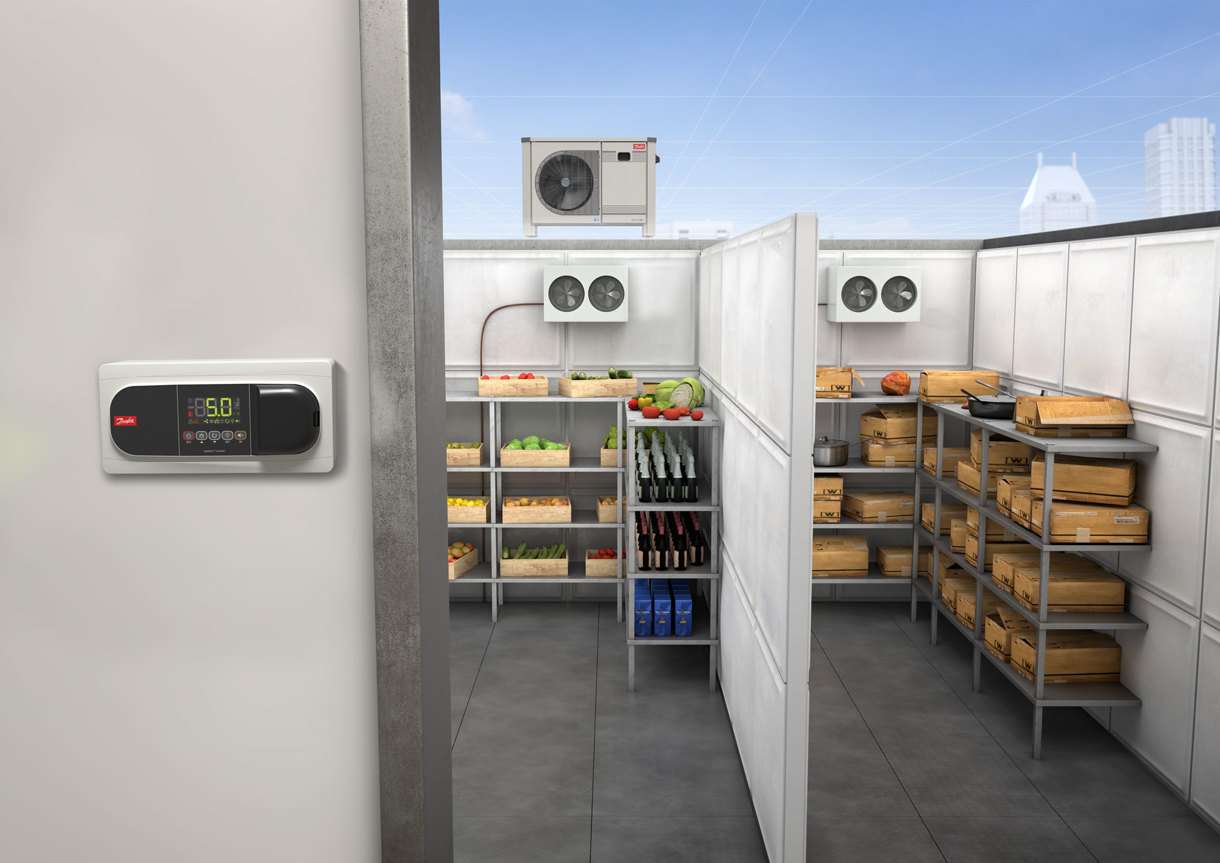
R404A / R507. Used in commercial refrigeration and freezing applications such as cold rooms, supermarket display cases, and ice plants, where low temperatures are needed.
R32. Increasingly used in newer air conditioning units. It offers better energy efficiency and a lower global warming potential than R410A, but is mildly flammable, so it requires equipment specifically designed for it and technicians who know the handling requirements.
R22. An older refrigerant being phased out globally under the Montreal Protocol because of its ozone-depleting potential. Many older units in Uganda still run on it, but supply is shrinking and prices rise accordingly. If you’re maintaining R22 equipment, it’s worth planning for replacement rather than assuming refills will stay available.
Why You Can’t Just Swap One for Another
Each refrigerant has its own operating pressure, its own compatible lubricant, and its own compatible seal and hose materials. Mixing refrigerants, or charging a system with a gas it wasn’t designed for, commonly leads to:
- Compressor failure, which is usually the single most expensive component in the system
- Poor cooling performance and much higher electricity consumption
- Oil breakdown and internal corrosion where lubricant and refrigerant are chemically mismatched
- Seal and gasket degradation causing repeat leaks
- A system that can no longer be serviced normally, because the charge is a contaminated mix of unknown composition
“Drop-in” replacement refrigerants do exist for some retrofits, but they still require the correct procedure, the right lubricant, and proper evacuation of the old charge. They are not a licence to top up with whatever cylinder is on hand.
The Counterfeit and Contaminated Gas Problem
Refrigerant is an area where cheap supply carries real risk. Cylinders sold well below market rate are sometimes short-filled, mislabelled, or contain a blend that doesn’t match the label at all. In the worst cases, a cylinder marked as a non-flammable refrigerant contains hydrocarbons, which is a serious safety hazard in equipment not designed for flammable gas. Protect yourself by buying from certified suppliers, checking that cylinders carry proper labelling and colour coding, asking for purity documentation, and being sceptical of pricing that is far below everyone else’s.
Signs Your System Has a Refrigerant Problem
- Cooling that has gradually weakened over weeks or months
- Ice forming on the evaporator coil or refrigerant lines
- A hissing or bubbling sound from the lines, which can indicate a leak
- The unit running constantly without reaching the set temperature
- A noticeable jump in electricity consumption with no change in usage
- An oily residue around joints, fittings, or the compressor, since refrigerant leaks often carry lubricant with them
If any of these appear, the right response is a leak test and proper diagnosis, not just a top-up.
Good Practice for Businesses Running Cooling Equipment
- Schedule preventive servicing rather than waiting for a breakdown — cold rooms and server room AC failures are expensive in downtime alone.
- Keep a simple record for each unit: refrigerant type, charge weight, service dates, and any top-ups.
- Recover refrigerant properly during servicing instead of venting it, both for environmental reasons and because Uganda participates in international phase-down commitments.
- Use only qualified technicians with proper recovery and charging equipment.
- Keep spare cylinders stored upright, secured, out of direct sun, and away from heat sources.
Choosing With the Long Term in Mind
When you’re buying new equipment, the refrigerant it uses is worth a moment’s thought, not just the price tag and cooling capacity. A unit running a refrigerant that is being phased down may be cheaper today and harder to service in five years. A more efficient refrigerant can pay back its premium through lower running costs over the life of the equipment, particularly for systems that run continuously such as cold rooms.
Source Genuine Refrigerant Gases From Oxyplus
Oxyplus Services Ltd supplies refrigerator gases alongside industrial, medical, and food grade gases, plus regulators, accessories, and fire safety equipment. We hold ISO 9001 certification and UNBS approval, and we supply cylinder sizes to suit everything from a single workshop to a national distribution operation.
- Plot 192, Block 234, Jinja Road – Katuba, Opposite Centenary Bank Kireka Branch, Bweyogerere Division, P.O. Box 164148, Kampala, Uganda
- Phone: 074 455 5510 / 020 099 5510
- Email: Info@oxyplus.co.ug
Get in touch to confirm the correct refrigerant for your equipment and to arrange reliable, documented supply.