
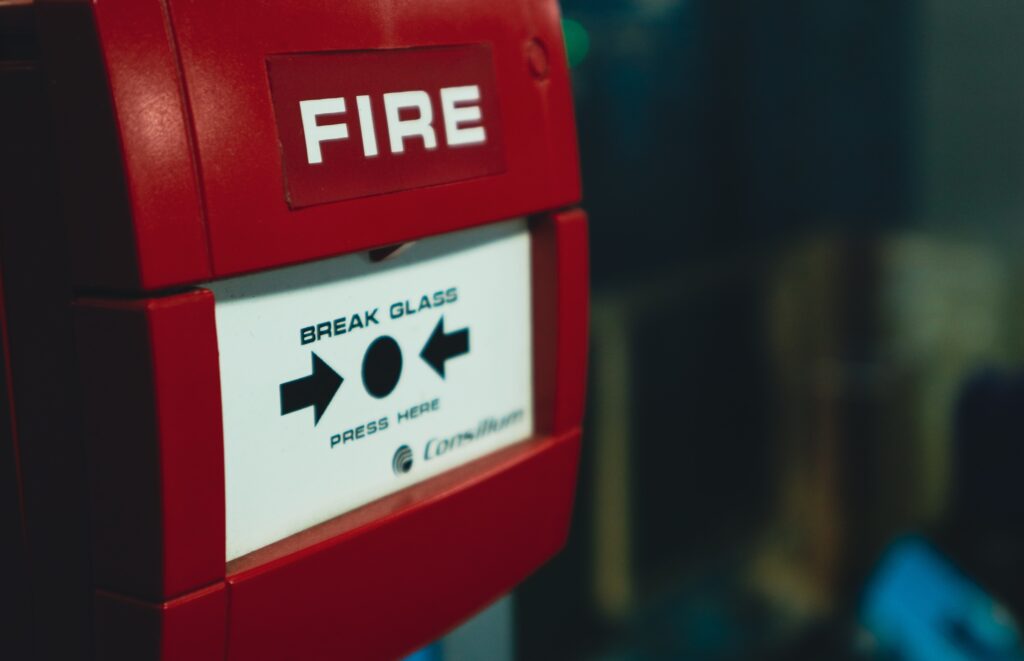
Fire accidents can happen at any time — in homes, offices, factories, schools, hospitals, and commercial buildings. A small electrical spark or unnoticed gas leak can quickly turn into a major disaster if not detected early. This is why fire alarm systems are one of the most important safety investments for any property owner today.
Modern fire alarm systems are designed to detect smoke, heat, or fire in the earliest stages and immediately alert occupants, allowing people to evacuate safely while reducing damage to property and equipment. Businesses and homeowners who install reliable fire alarm systems not only protect lives but also ensure compliance with fire safety regulations and insurance requirements.
What Is a Fire Alarm System?
A fire alarm system is an electronic safety system designed to identify signs of fire and warn building occupants through sirens, alarms, flashing lights, or voice notifications. These systems help people respond quickly before the situation becomes dangerous.
A standard fire alarm system usually includes:
- Smoke detectors
- Heat detectors
- Alarm sirens and sounders
- Manual call points
- Control panels
- Emergency communication systems
Advanced systems can also connect with sprinklers, emergency exits, and security monitoring services for faster emergency response.
Why Fire Alarms Are Important
1. Early Detection Saves Lives
The biggest advantage of a fire alarm system is early detection. Fires spread rapidly, especially in buildings containing flammable materials, electrical equipment, or gas cylinders. A fire alarm can detect smoke or heat before flames become uncontrollable.
Early warnings give people enough time to:
- Evacuate safely
- Assist children or elderly individuals
- Contact emergency responders
- Prevent injuries and fatalities
In commercial facilities, even a few extra minutes can make a major difference in saving lives.
2. Protects Property and Equipment
Fire damage can destroy buildings, machinery, documents, and expensive equipment within minutes. Fire alarm systems help minimize losses by triggering immediate action.
When alarms activate early:
- Firefighters can respond faster
- Sprinkler systems may activate sooner
- Damage remains limited to smaller areas
- Business downtime is reduced
For industries, warehouses, and manufacturing plants, this protection is critical for operational continuity.
3. Reduces Business Losses
A fire incident can force businesses to shut down for weeks or even permanently. Repair costs, equipment replacement, and lost productivity can become extremely expensive.
Installing a professional fire alarm system helps businesses:
- Reduce financial losses
- Maintain workplace safety
- Protect employees and customers
- Avoid legal liabilities
- Meet insurance requirements
Companies that prioritize fire safety also build greater trust with clients and employees.
4. Ensures Compliance with Safety Regulations
Many countries require commercial and industrial buildings to install approved fire alarm systems. Non-compliance can result in penalties, legal action, or closure notices.
A professionally installed fire alarm system helps ensure:
- Compliance with fire safety standards
- Safe working environments
- Proper emergency preparedness
- Successful safety inspections
Businesses should regularly maintain and test their systems to ensure maximum reliability.
5. Provides 24/7 Protection
Fire alarms work continuously, even when buildings are empty. Whether it is during office hours, at night, or during holidays, the system remains active and ready to detect emergencies.
Modern smart fire alarm systems can also:
- Send mobile alerts
- Connect to monitoring centers
- Integrate with CCTV and security systems
- Enable remote monitoring
This continuous protection is especially important for warehouses, factories, hospitals, schools, and apartment buildings.
Common Causes of Fire Accidents
Understanding fire risks can help prevent emergencies. Some common causes include:
- Electrical faults and short circuits
- Gas leaks
- Overloaded power outlets
- Faulty appliances
- Improper storage of flammable materials
- Smoking indoors
- Kitchen accidents
Regular inspections and proper safety systems significantly reduce these risks.
Tips for Maintaining Fire Alarm Systems
To ensure fire alarms work properly during emergencies, regular maintenance is essential.
Best practices include:
- Test alarms monthly
- Replace damaged detectors immediately
- Keep smoke detectors clean
- Schedule professional inspections
- Train staff on emergency procedures
- Check backup batteries regularly
A neglected system may fail during a real emergency, putting lives and property at risk.
Why Choose Oxyplus Services Ltd for Fire Safety Solutions?
Oxyplus Services Ltd provides reliable fire safety and industrial safety solutions designed to protect businesses, industries, and homes. The company offers high-quality fire protection systems, safety equipment, gas solutions, and professional support services tailored to different industries.
Businesses looking to improve workplace safety and comply with fire protection standards can benefit from professional guidance, quality equipment, and dependable maintenance support from Oxyplus Services Ltd.
Final Thoughts
Fire alarms are not just devices — they are life-saving systems that provide early warnings, protect valuable property, and reduce the risk of serious disasters. Whether for homes, offices, factories, or commercial buildings, investing in a reliable fire alarm system is one of the smartest safety decisions any property owner can make.
With increasing awareness about workplace safety and emergency preparedness, now is the right time for businesses and homeowners to prioritize fire protection systems and regular maintenance.
For trusted fire safety solutions and professional support, Oxyplus Services Ltd is well-positioned to help organizations strengthen safety standards and protect what matters most.