
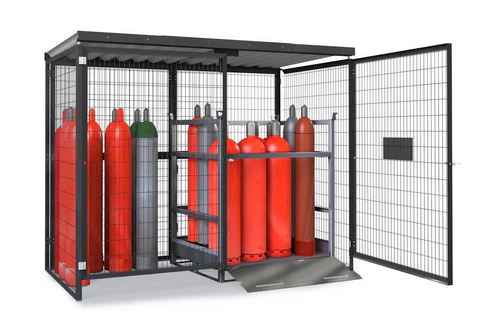
Gas cylinders are essential in industries such as healthcare, manufacturing, welding, laboratories, hospitality, and food processing. However, improper storage of compressed gas cylinders can lead to fires, explosions, leaks, injuries, and even fatalities. Whether you use oxygen, nitrogen, argon, CO₂, or industrial gases, following proper storage procedures is critical for workplace safety and compliance.
At Oxyplus Services Ltd, safety is a top priority. This guide explains the best practices for storing gas cylinders safely while helping businesses maintain compliance with modern safety standards.
Why Proper Gas Cylinder Storage Matters
Compressed gas cylinders contain gases under extremely high pressure. If a cylinder falls, leaks, overheats, or gets damaged, it can become a serious hazard. According to OSHA safety standards, cylinders must always be stored securely, upright, and in well-ventilated areas away from combustible materials.
Improper storage can result in:
- Fire and explosion risks
- Gas leaks and oxygen displacement
- Equipment damage
- Workplace injuries
- Regulatory penalties
Safe storage protects employees, customers, equipment, and the surrounding environment.
1. Always Store Cylinders Upright
Gas cylinders should always be stored in a vertical position and secured with chains, straps, or brackets to prevent tipping. OSHA and multiple safety organizations emphasize upright storage as one of the most important safety requirements.
An unsecured cylinder can fall and damage the valve, potentially turning the cylinder into a dangerous high-speed projectile.
Best Practice:
- Use wall chains or cylinder racks
- Secure cylinders at mid-height
- Never leave cylinders free-standing
2. Keep Cylinders in a Well-Ventilated Area
Gas cylinders should be stored in dry, cool, and well-ventilated locations. Poor ventilation can allow gas buildup, increasing the risk of suffocation or fire hazards.
Avoid storing cylinders:
- In enclosed cupboards or lockers
- Near drains or pits
- In direct sunlight
- Close to heat sources or flames
High temperatures can increase cylinder pressure and create dangerous conditions.
3. Separate Flammable and Oxidizing Gases
Flammable gases such as acetylene and propane must be stored separately from oxidizing gases like oxygen. OSHA recommends maintaining at least 20 feet of separation or using a fire-resistant barrier.
Important Separation Rules:
- Oxygen cylinders away from fuel gases
- Toxic gases stored separately
- Empty and full cylinders clearly labeled and separated
This reduces the risk of fire escalation during emergencies.
4. Keep Protective Caps in Place
Valve protection caps help prevent damage during storage and transport. Cylinders not in use should always have their caps securely fitted.
Never:
- Store cylinders without caps
- Lift cylinders by the cap
- Drag or roll cylinders manually
Use proper cylinder trolleys for transportation.
5. Clearly Label Every Cylinder
Every gas cylinder should have clear identification labels showing:
- Gas type
- Hazard classification
- Supplier information
- Safety warnings
OSHA guidelines require cylinders to be properly marked for safe handling and emergency response.
Never use unlabeled cylinders.
6. Regularly Inspect Cylinders
Routine inspections help identify leaks, corrosion, dents, damaged valves, or expired hydrostatic test dates.
Inspection Checklist:
- Check for rust or physical damage
- Inspect valves and regulators
- Ensure safety caps are intact
- Verify testing dates
- Confirm no gas leaks are present
Damaged cylinders should be isolated immediately and reported to the supplier.
7. Train Employees on Gas Safety
Even the best storage system can fail without proper employee training. Staff should understand:
- Cylinder handling procedures
- Emergency response protocols
- Leak detection basics
- Fire prevention measures
- Correct transportation methods
Safety training significantly reduces workplace accidents and improves compliance.
Common Gas Cylinder Storage Mistakes
Many workplace incidents happen because of avoidable mistakes such as:
- Storing cylinders horizontally
- Mixing incompatible gases
- Blocking exits with cylinders
- Leaving cylinders unsecured
- Storing near electrical equipment or sparks
Safety professionals on Reddit and OSHA forums frequently highlight how overcrowded or unsecured cylinders create serious risks in industrial environments.
How Oxyplus Services Ltd Can Help
Oxyplus Services Ltd provides high-quality industrial, medical, and specialty gas solutions in Uganda. The company also supports businesses with reliable gas supply, cylinder handling guidance, and safety-focused solutions.
Oxyplus Services Ltd offers:
- Medical oxygen supply
- Industrial gas solutions
- Nitrogen, argon, and CO₂ gases
- Cryogenic products
- Cylinder supply and refilling
- Dry ice solutions
- Professional customer support
Businesses looking to improve workplace safety and ensure reliable gas supply can trust Oxyplus Services Ltd for dependable service and industry expertise.
Final Thoughts
Proper gas cylinder storage is not just a safety recommendation — it is an essential responsibility for every workplace using compressed gases. By following proper storage guidelines, maintaining ventilation, separating incompatible gases, and securing cylinders correctly, businesses can significantly reduce accidents and improve operational safety.
For trusted gas solutions and professional support in Uganda, visit Oxyplus Services Ltd today.